
How to Get a Remote Job With No Experience (Yes, It’s Possible!)
Yes, you can start working remotely with no experience! Entry-level roles in customer support, virtual assistance and digital marketing are good places to begin.
I’ve worked as a freelance marketer since 2015 and taught digital marketing for years. Working remotely from Barcelona has given me flexibility, but it also takes skills, reliable income and good organisation.
In this guide, you’ll learn how to find beginner remote jobs, land your first opportunity and work remotely from another country.
Your Remote Work and Travel Roadmap
Section | Read Time |
💻 Beginner remote jobs | 3 min |
🔎 Finding your first opportunity | 2 min |
🌍 Working remotely abroad | 3 min |
🎒 Advice | 1 min |
I’ve worked remotely while traveling in several countries, including Albania, Cape Verde, Argentina and Brazil. These experiences have taught me that working abroad takes more planning than packing a laptop. You need to manage your time, communicate clearly and make sure your income supports your lifestyle.
What Are the Best Remote Jobs for Beginners?
The right first job depends on your existing skills, language abilities and the type of work you enjoy. Before signing up for another online course, look at what you can already do and compare it with real job descriptions.
Beginner-Friendly Remote Jobs
Remote job | Typical tasks | Useful skills and tools | How to get started |
💻 Virtual Assistant | Managing calendars, organising documents and updating spreadsheets | Google Workspace, Microsoft Office, organisation | Create a sample spreadsheet or project tracker and apply for entry-level roles. |
📧 Customer Support Representative | Answering customer questions by email, chat or phone | Communication, patience, problem-solving | Search for beginner-friendly vacancies and check language, shift and training requirements. |
📱 Social Media Assistant | Writing captions, scheduling posts and maintaining content calendars | Canva, Meta Business Suite, creativity | Create a sample content calendar for a local café or another business. |
✍️ Content Writer or Junior Marketing Assistant | Researching topics, writing content and supporting marketing campaigns | Writing, research, attention to detail, basic digital skills | Prepare two writing samples or suggest practical improvements to a business website. |
For example, if you’re applying for a virtual assistant role, create a sample spreadsheet that tracks tasks, deadlines and progress. Add a short explanation of how it could help a business stay organised. Label it as a sample project, then link to it in your CV or application. This gives employers something concrete to review, even if you haven’t held a virtual assistant position before.
For free training, explore Google Skillshop and HubSpot Academy. It helps when you choose courses that match the jobs you’re applying for instead of collecting certificates without a purpose.
Read next: Ready to work with a view? Check out Remote Jobs for Women: Work While Traveling and take your laptop on an adventure!
Where Can You Find Your First Remote Job?
I recommend starting with a handful of reputable job platforms rather than spending hours scrolling through social media posts promising easy money.
🔎 LinkedIn Jobs: Search for remote assistant, junior and trainee positions.
🌍Remote.com: Browse remote opportunities across different industries.
💻 We Work Remotely: Explore vacancies in several professional categories.
🧑💼 Indeed: Search for customer support and administrative positions.
🏢 Company career pages: Check employers directly for vacancies and training programmes.
Try searches such as “remote customer support entry level”, “virtual assistant no experience” and “junior digital marketing assistant”.
One detail people often overlook: remote jobs are not necessarily location-independent. A company may only employ people who live in Germany, Spain or another specified country because of payroll, tax or legal requirements. Check the eligible locations before spending time on an application.
How Do You Get Hired Without Previous Remote Experience?
You need to show an employer that you can do the work, even if you haven’t held that exact job title before.
Step 1: Research the Requirements
Review ten job ads and note the most requested skills.
Choose one job category to focus on.
- Learn missing skills through free courses.
Step 2: Create a Small Portfolio
Show employers what you can do with relevant sample projects.
Area | Sample project |
Administration | Task-tracking spreadsheet |
Social media | One-week content calendar |
Writing | Two sample articles |
Marketing | Three website improvement ideas |
Step 3: Update Your CV
Highlight transferable skills from previous jobs.
Include relevant achievements and tools you know.
Add your portfolio link.
Step 4: Apply and Prepare
Personalize each application to the role.
Prepare examples of your skills for interviews.
- Ask about training, working hours and expectations.
Tip: If you don’t get replies, review your CV, portfolio and whether you meet the essential requirements.
Can You Work Remotely From Another Country?
Yes, provided your employment arrangements and the relevant laws allow it. Working remotely from abroad is not automatically permitted just because your employer operates online.
I live in Barcelona, and one thing worth understanding before planning a work-and-travel lifestyle is that the ability to work remotely and permission to work from any country are two separate things.
Before traveling, check:
🛂 Immigration rules: Confirm that your permission to stay allows your planned work activities.
🌍 Employer policies: Obtain approval for the country and duration of your stay.
💶 Tax obligations: Check whether your stay affects your tax position.
🏥 Insurance: Read the policy terms and confirm that your circumstances are covered.
📶 Internet and time zones: Make sure you can attend meetings and meet deadlines reliably.
Rules vary by destination and individual circumstances, so use official government guidance and qualified tax advice where necessary.
Read next: Working while exploring the world sounds dreamy, but how do you avoid burning out? Check out Remote Work Without Burnout: 15 Tips for Solo Female Travelers for tips to balance work and adventure.
What Do You Need to Work Remotely While Traveling?
When I worked remotely while travelling in Brazil, I learned that choosing accommodation based on its location alone isn’t enough. You also need to think about where you’ll work, how reliable the Wi-Fi is and whether you can take calls without background noise.
A beautiful place won’t help much if you spend half your workday struggling with the internet! Now, I’d check the Wi-Fi situation and workspace before booking accommodation for a longer stay.
What does that mean for you? You don’t need to buy an entirely new setup before applying for your first job. Start with the equipment you already own and check what your employer requires.
💻 Laptop: Make sure it runs the required software.
📶 Reliable internet: Check connectivity before booking longer stays.
🎧 Headphones: Useful for calls and meetings.
🔌 Chargers and adapters: Essential when travelling internationally.
🏡 Suitable accommodation: Check Wi-Fi, noise levels and workspace availability.
Tip: Once your employer approves working abroad, you can plan the travel details. Compare flights through Skyscanner, explore accommodation on Booking.com, and check Airalo for destination-specific eSIM options.


5 Things I Wish I Knew Before Remote Working
💡 Your existing experience may be useful: Think about the skills you’ve gained through previous jobs, studies and personal projects.
🎯 You don’t need to learn everything: Employers hire people for specific responsibilities, not for knowing every digital tool.
💸 Freelance income is not your take-home pay: Allow for taxes, insurance, unpaid administration and time off.
🌍 Working abroad requires planning: Accommodation, connectivity and employer approval can affect where you can realistically stay.
⏳ Getting hired takes persistence: There is no guaranteed timeline, and some entry-level positions attract many applicants.
Next Read: Looking for the best places to work remotely? Check out my Best Countries for Remote Work Women in 2026.
FAQ: Frequently Asked Questions About Remote Work
Can I get a remote job without a degree?
Yes. Some entry-level jobs focus on skills rather than formal qualifications. Requirements vary by employer and profession.
What is the easiest remote job to get with no experience?
Customer support, virtual assistance and certain administrative roles can be accessible starting points. Your skills, languages and location will influence your options.
How long does it take to get a remote job?
It can take weeks or months. There is no guaranteed timeline, so keep improving your application materials while applying for suitable vacancies.
Do I need a digital nomad visa?
Not necessarily. The correct permission depends on your nationality, destination, work arrangements and length of stay. Check the destination’s official immigration guidance.
How can I explore a destination on my days off?
You don’t need to plan every activity yourself. Bookday trips and activities with GetYourGuide or compare experiences on Viator. Guided tours can help you discover places you might miss on your own.
Where should I book accommodation?
Use platforms like Booking.com for flexible stays with reviews and WiFi info, or Hostelworld if you want budget-friendly, social hostels that are great for remote workers.
Are multi-day tours a good option for remote workers?
They can be great when you want to explore a region without organising every transport connection and hotel yourself. You’ll find multi-day tours on TourRadar and check the itinerary, accommodation, and internet access before booking.
Where can I find cheap flights?
Compare flight prices and routes using Skyscanner. Being flexible with your travel dates can help you find better deals.
Final Thoughts – Last Stop Before Takeoff!
You don’t have to become a full-time digital nomad right away. A remote job in your home country can be a great first step before exploring longer stays abroad.
My advice? Start small, get that first opportunity and build from there. You can gain experience, earn a reliable income and work towards a lifestyle that lets you explore more of the world.
Adventure on, I’ll see you on the road!
Read Next: If you’re considering this lifestyle, read my related article, 7 Signs You Should Try Remote Work and Travel.
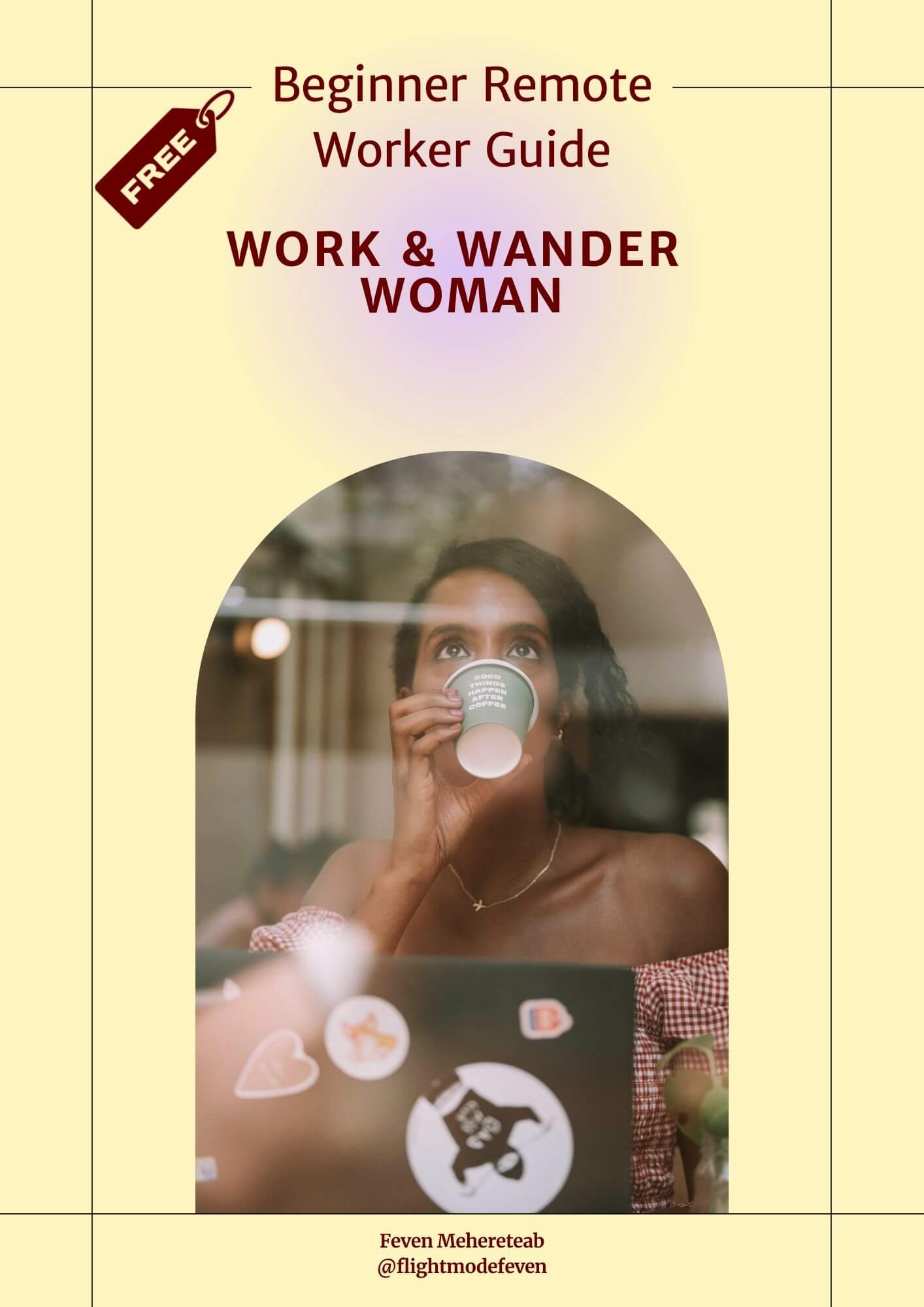
Want Free Remote Work Tips?
Tired of “what ifs”?
Get From Anxious to Adventurous and turn fears into fearless solo travel in 90 days with 120 interactive pages full of journaling prompts, mindset challenges, safety tips, and real-life strategies to build unshakable confidence.
This post contains an affiliate link. If you purchase through it, I might earn a small commission at no extra cost to you, basically, enough for a little travel snack while I plan my next remote work adventure.

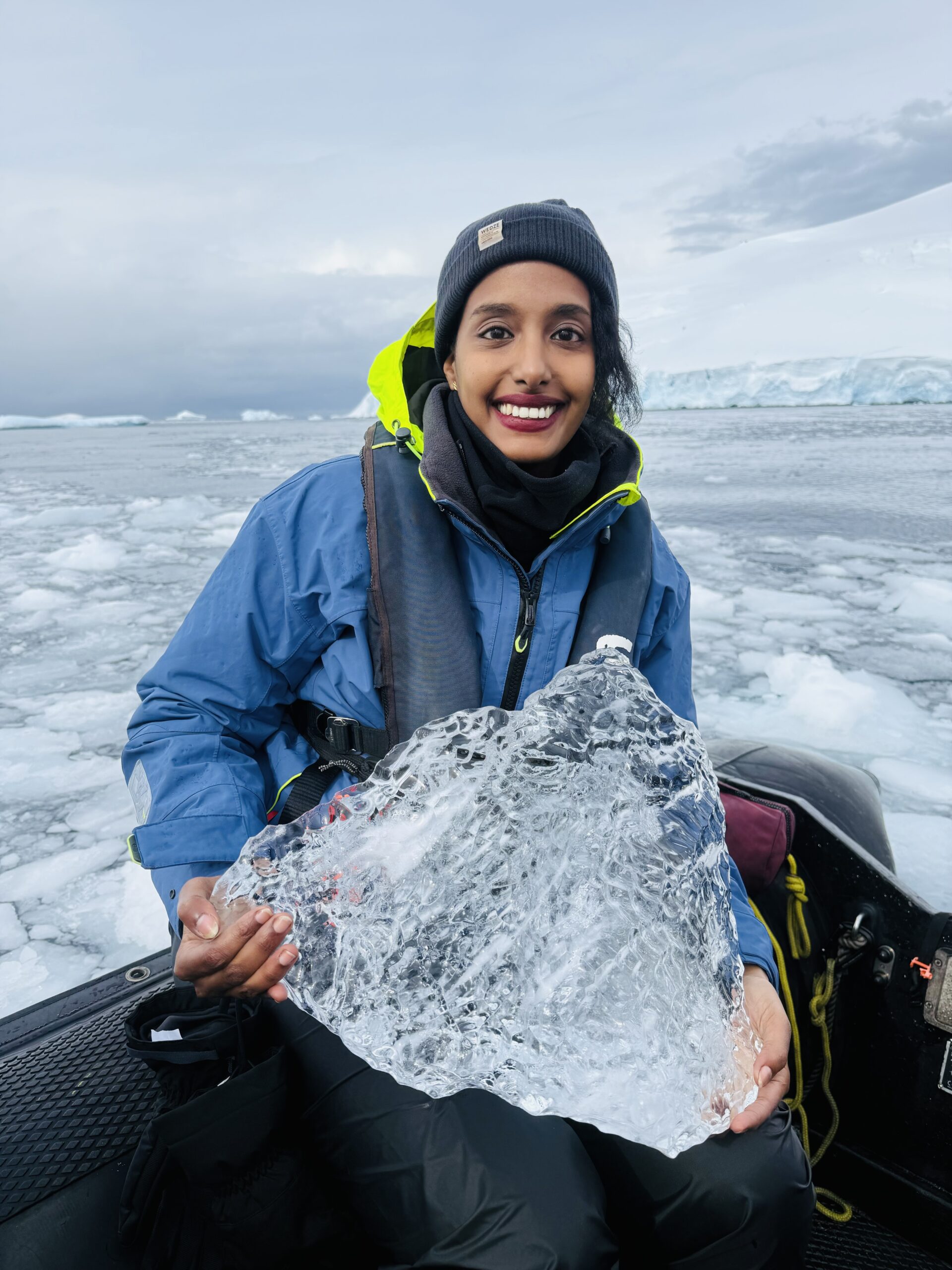
Feven is a solo female travel mentor who has visited 68 countries, 7 continents and helps women travel with confidence. She creates resources to help women overcome fear and plan their first solo trip. Follow her adventures on Instagram.